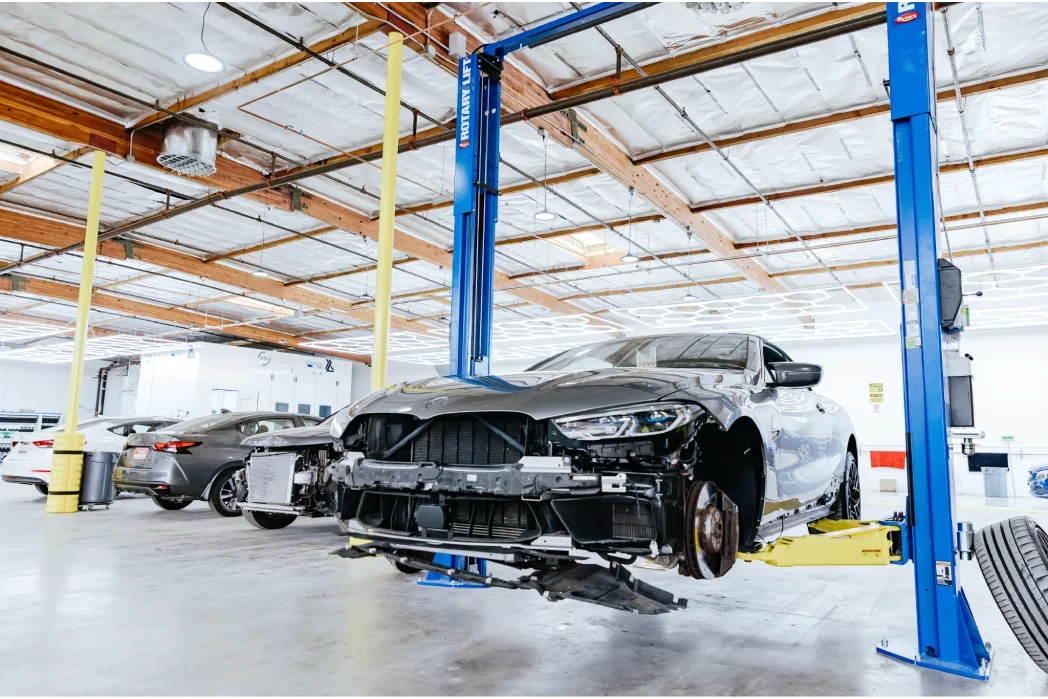
Choosing a collision repair shop involves more than comparing estimates or finding the closest location. Modern vehicles use advanced materials, electronic safety systems, cameras, sensors, structural components, and manufacturer-specific repair procedures. The technicians working on those vehicles need current training to keep pace with those changes.
One credential that can help drivers evaluate a repair facility is I-CAR Gold Class collision repair recognition.
Gold Class is awarded by I-CAR, the Inter-Industry Conference on Auto Collision Repair, to collision repair businesses that meet defined training requirements across several important repair roles. Shops must continue training to maintain the recognition.
For drivers, that designation provides useful information about how seriously a collision center approaches technician education and current repair knowledge.
What Is I-CAR?
I-CAR is an organization focused on education and technical resources for the collision repair industry. Its training covers areas including structural repair, refinishing, estimating, diagnostics, Advanced Driver Assistance Systems, electric vehicles, and vehicle-specific technology.
Its stated goal centers on complete, safe, and quality collision repairs.
That training has become increasingly relevant as vehicles have become more complex.
A repair technician today may need to understand:
- High-strength and ultra-high-strength steels
- Aluminum repair
- Structural measuring and straightening
- Welding and joining methods
- Electronic diagnostic scanning
- ADAS cameras and radar sensors
- Electric and hybrid vehicle systems
- Manufacturer repair procedures
- Modern refinishing techniques
The skills needed to repair a late-model vehicle can differ significantly from those required even a decade ago.
What Does I-CAR Gold Class Mean?
I-CAR Gold Class is a recognition given to collision repair businesses that meet the organization’s Professional Development Program requirements.
It applies to the repair facility, rather than simply recognizing one individual technician.
To qualify, a shop must maintain trained representatives in four core collision repair roles:
- Estimator
- Refinish technician
- Structural technician
- Non-structural technician
Under I-CAR’s current standards, representatives in each of those required roles must reach at least ProLevel 2 within I-CAR’s training system. Shops must also continue role-relevant education to maintain Gold Class recognition.
That ongoing requirement is an important part of what separates Gold Class from a certificate someone earns once and keeps indefinitely.
Why Ongoing Collision Repair Training Is Important
Cars continue to change.
Automakers introduce new materials, repair restrictions, electronics, driver-assistance systems, battery technology, and structural designs every model year.
A repair method that is appropriate for one vehicle may be unsuitable for another.
For example, technicians may need to determine:
- Whether a structural component can be repaired or must be replaced
- Where a panel can safely be sectioned
- Which welding method the manufacturer specifies
- Whether heat can be applied to a particular metal
- Which fasteners or adhesives must be used
- Whether a camera or radar sensor requires calibration
- Whether diagnostic scans are required before and after repairs
I-CAR provides training paths and technical resources designed to keep collision professionals current with these types of repair challenges.
Gold Class tells you the shop has made continuing education part of its operation.
Gold Class Covers Multiple Parts of the Repair Process
Collision repair is rarely the work of one person.
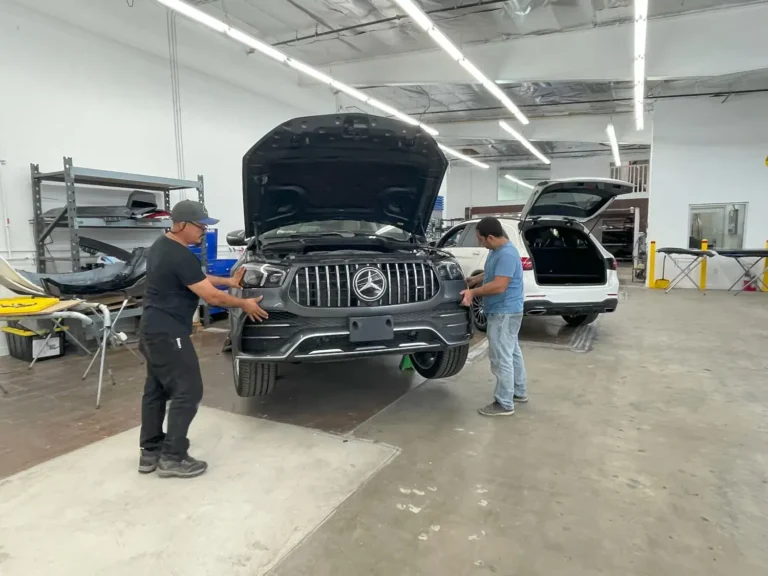
A vehicle can move through estimating, disassembly, structural repair, body work, refinishing, reassembly, diagnostics, calibration, and quality control before it is returned to the owner.
I-CAR’s Gold Class requirements recognize that different employees need different skills.
Estimating
The estimator helps identify damage and develop the repair plan.
That can involve more than listing dented panels. Modern estimates may need to account for manufacturer procedures, one-time-use parts, diagnostic scanning, calibrations, structural measurements, corrosion protection, and other required operations.
Training helps estimators understand what technicians may need to complete a proper repair.
Non-Structural Repair
Non-structural technicians commonly work on exterior body components such as doors, fenders, quarter panels, and other damaged areas.
Their training can include repair planning, panel replacement, joining techniques, corrosion protection, and working around modern vehicle technology.
Structural Repair
Structural technicians work with parts of the vehicle that contribute to its underlying structure.
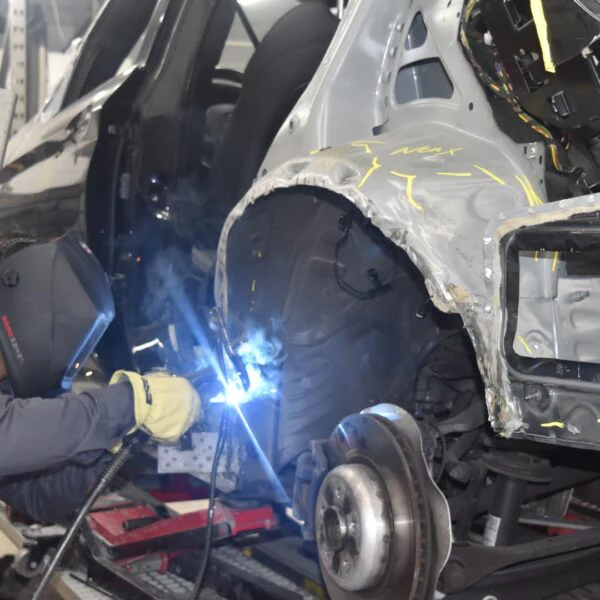
Accurate structural repair can require measuring equipment, specialized welding methods, manufacturer repair information, and knowledge of the metals used in specific areas.
This becomes especially important on vehicles that use several grades of steel or combinations of steel and aluminum.
Refinishing
Refinish technicians restore repaired panels through surface preparation, color matching, paint application, blending, and finishing.
Refinishing also involves understanding coating systems, corrosion protection, materials, and procedures designed to produce a durable repair.
Gold Class requires training across these different roles rather than concentrating all required education in one department.
Does Gold Class Mean Every Technician Is I-CAR Certified?
This distinction is worth understanding.
Gold Class recognition belongs to the collision repair business. I-CAR also offers individual professional recognition and training paths for technicians.
A shop earns Gold Class by meeting I-CAR’s requirements for trained representatives across the required roles.
So it would be inaccurate to interpret the Gold Class logo as meaning every employee at the facility has completed exactly the same courses or holds the same individual credential.
Instead, it tells you the business maintains a structured training program across key areas of collision repair.
What Does Gold Class Tell You About Repair Quality?
No credential can tell you the outcome of a repair before the work is performed.
Gold Class does, however, tell you several useful things about the repair facility.
The Shop Invests in Technician Training
Training takes time and resources.
Maintaining Gold Class demonstrates that the business has committed to continuing collision repair education rather than relying entirely on experience gained years ago.
Experience remains valuable, but modern repairs also require technicians to learn new technology and procedures.
Training Covers Key Repair Roles
A collision shop needs knowledge throughout the repair process.
A properly repaired quarter panel does not solve a missed structural issue. Accurate body work does not replace the need for correct refinishing. A good estimate needs to identify operations technicians will need later.
Gold Class addresses training across the estimator, structural, non-structural, and refinishing roles.
The Recognition Must Be Maintained
Gold Class requires ongoing education.
I-CAR states that shops must maintain role-relevant training and complete annual training requirements to retain their status.
That makes the recognition especially relevant in an industry where vehicle technology changes continuously.
Does I-CAR Gold Class Mean a Shop Is Manufacturer Certified?
No. These are separate credentials.
I-CAR Gold Class focuses primarily on collision repair education and maintaining trained personnel across important shop roles.
Manufacturer certification generally involves requirements established by a particular automaker. Depending on the program, those requirements may include:
- Brand-specific training
- Specialized equipment
- Facility standards
- Required tools
- Repair procedures
- Parts requirements
- Audits
- Measuring equipment
- Welding equipment
Some manufacturer collision programs use I-CAR Gold Class as part of their requirements.
For example, I-CAR’s current information for the General Motors Collision Repair Network identifies Gold Class as a base requirement for participating repair facilities.
A collision center can therefore hold both I-CAR Gold Class recognition and individual manufacturer certifications.
For a vehicle owner, the combination can provide useful information about both broad collision repair training and brand-specific repair capabilities.
What Gold Class Does Not Guarantee
Gold Class is a meaningful credential, but it should not be treated as a guarantee that every repair will be perfect.
Several factors still affect the quality of collision repair, including:
- Whether technicians follow current OEM procedures
- The quality of replacement parts
- Proper structural measurements
- Repair equipment
- Workmanship
- Diagnostic procedures
- ADAS calibration when required
- Reassembly
- Refinishing
- Final quality-control inspections
The credential is best viewed as evidence that a shop has met established training standards and continues investing in collision repair education.
You should still consider the facility’s manufacturer certifications, repair processes, equipment, reputation, communication, and experience with your vehicle.
Why Manufacturer Procedures Still Matter
Training gives technicians the knowledge to perform their jobs, but the exact repair still needs to be based on the vehicle in front of them.
Manufacturers publish repair information explaining how specific vehicles should be repaired.
These procedures may identify:
- Approved repair locations
- Required replacement procedures
- Welding methods
- Sectioning restrictions
- Calibration requirements
- Diagnostic scanning procedures
- One-time-use components
- Corrosion protection
- Required measurements
Technicians may need to research these procedures during the estimating and repair process.
This combination of training and vehicle-specific information is especially important as vehicle designs become more specialized.
How Gold Class Relates to ADAS and Modern Vehicle Technology
Many newer vehicles contain Advanced Driver Assistance Systems, or ADAS.
Depending on the model, those systems can include:
- Automatic emergency braking
- Adaptive cruise control
- Lane keeping assistance
- Forward collision warning
- Blind spot monitoring
- Parking assistance
These features may rely on cameras, radar sensors, steering inputs, wheel-speed information, and other electronic systems.
Repairing a bumper, replacing a windshield, performing structural work, or changing suspension geometry can create additional diagnostic or calibration procedures.
I-CAR now provides dedicated training and technical resources covering ADAS, electric vehicles, diagnostics, and other emerging vehicle technologies.
A shop’s commitment to continuing education becomes increasingly valuable as these systems become common.
Questions to Ask When Choosing a Collision Repair Shop
I-CAR Gold Class can help narrow your search, but you can learn more by asking the shop directly about its repair process.
Useful questions include:
- Are you currently an I-CAR Gold Class facility?
- Is my vehicle manufacturer one of your certifications?
- Will you research OEM repair procedures for my vehicle?
- Do you perform pre-repair and post-repair diagnostic scans when required?
- How do you handle ADAS calibration?
- What type of structural measuring and repair equipment do you use?
- How will I receive updates during the repair?
- What quality-control steps take place before I receive my vehicle?
The answers can give you a clearer understanding of how the facility approaches modern collision repair.
Network Auto Body Is an I-CAR Gold Class Collision Repair Business
Network Auto Body is an I-CAR Gold Class collision repair business serving Southern California drivers.
Gold Class supports an approach to collision repair built around continuing education and trained professionals across the major repair roles. I-CAR describes the program as specialized training designed to give collision repair teams the knowledge and skills needed to work on today’s vehicles.
Network Auto Body has served Southern California since 1985 and operates locations in Downtown Los Angeles, North Hollywood, Van Nuys, Valencia, and Oxnard.
If your vehicle has been damaged in a collision, contact Network Auto Body to schedule an estimate and learn more about the repair procedures, training, and certifications relevant to your vehicle.