
Quick Summary
A collision repair estimate can change after teardown because the first estimate usually focuses on visible damage. For drivers in Los Angeles, an updated estimate provides a clearer view of the repair, especially when the process starts with a surface-level inspection or photo estimate. Network Auto Body has been locally trusted for 41 years, and that history is built on helping customers understand exactly why the repair plan may need to change once hidden damage is uncovered.
An estimate change often means the repair plan is becoming more complete.
For many drivers, this is one of the most important parts of the auto body repair process to understand. You may receive an initial estimate, feel like the cost is understood, and then hear that the estimate needs to be updated after the vehicle has been taken apart. The key is understanding what teardown is, why hidden damage matters, and how a revised estimate or supplement helps document the full repair for your vehicle, your insurer, and the shop team managing the work.
Why Collision Repair Estimates Can Change After Teardown
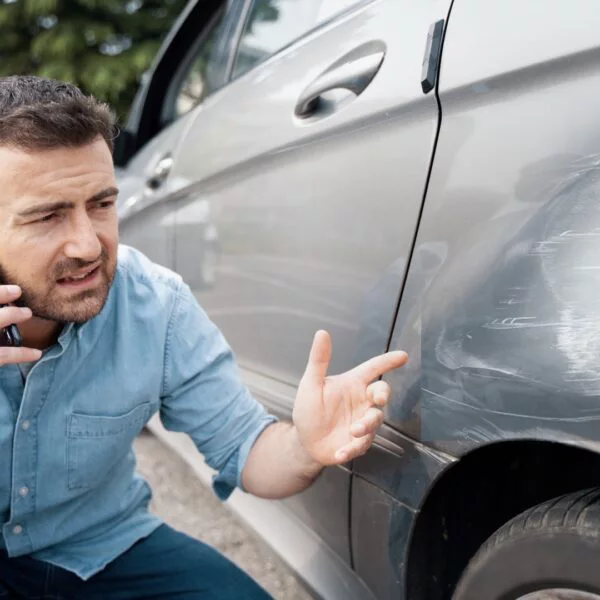
The first estimate after an accident is usually based on what can be seen during the initial inspection. An estimator can inspect dents, cracked bumper covers, damaged lights, visible panel gaps, paint damage, and obvious broken parts. That first review is useful and serves as the beginning of the complete repair story.
Modern vehicles are built with layers. A bumper cover may look like the main damaged part, while behind it there may be absorber foam, reinforcement bars, mounting brackets, wiring, sensors, clips, retainers, and structural attachment points. A door may look dented from the outside, while the inner shell, hinge area, intrusion beam, or latch alignment may also need attention. A quarter panel may show visible damage, and creating access allows the repair team to confirm the condition of the inner structure.
This is why teardown matters.
In collision repair, the estimate often becomes more accurate after technicians remove damaged exterior parts and inspect what is underneath. That process can reveal damage confirmed through a deeper inspection after the surface-level inspection or photo estimate.
A changed estimate often means the repair team found the complete damage and is updating the repair plan so the vehicle can be repaired properly.
For the customer, the most useful question is:
| Key Question: What new damage was found, how was it documented, and why is it necessary for a safe and complete repair? |
That question moves the conversation toward clarity.
What Teardown Means in Auto Body Repair
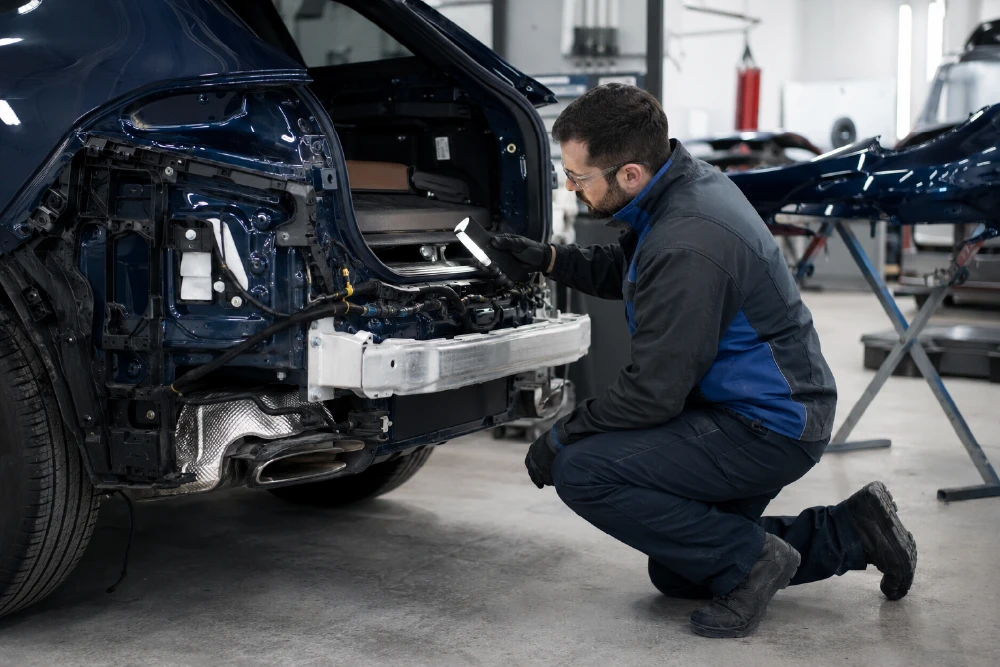
Teardown is the process of carefully removing damaged or related vehicle parts so the repair team can inspect what is behind them. It is sometimes called disassembly. The goal is to see the full repair area clearly enough to create an accurate repair plan.
During teardown, technicians may remove parts such as:
- Bumper covers
- Headlights or taillights
- Wheel liners
- Trim pieces
- Damaged panels
- Interior trunk trim
- Door components
- Brackets and mounting hardware
- Parts blocking access to the damaged area
Once these parts are removed, the estimator and repair team can inspect deeper damage. They may take photos, update the damage report, identify broken parts, and prepare documentation for the customer or insurance company.
Teardown is especially important when the first estimate was based on photos or a quick visual inspection. Photos can show dents, cracks, and broken exterior parts, while direct inspection shows whether the structure behind those parts has shifted or whether parts underneath require repair or replacement.
This is why a photo estimate or online estimate works best as a starting point. It can help begin the process, while the complete repair plan often depends on what the shop finds after disassembly.
The Most Common Reasons Hidden Damage Changes an Estimate
Hidden damage can affect the estimate in several ways. Sometimes the change is small, such as a broken bracket or replacement clip. Other times, teardown reveals damage that changes the repair plan more significantly.
Here are the most common reasons a collision repair estimate may change after teardown.
Damaged Parts Were Hidden Behind Exterior Panels
Many vehicle parts are designed to absorb or transfer impact energy. After a collision, the exterior panel may cover the condition of parts behind it.
For example, a rear bumper cover may look scratched and dented, while the impact absorber or reinforcement bar behind it may also be damaged. A front-end collision may break mounting tabs, radiator support components, headlight brackets, or inner shields that become fully visible when the damaged area is opened.
If these parts are needed to restore proper fit, safety, or function, they may need to be added to the estimate.
Mounting Brackets, Clips, and Retainers May Be Broken
Small parts can have a major effect on repair quality. Brackets, clips, retainers, and fasteners hold panels, bumpers, lights, liners, and trim in place. Replacing damaged pieces helps the vehicle fit back together correctly.
The right brackets help a repaired bumper sit evenly and maintain consistent gaps. Secure mounting tabs help a headlight align correctly. Proper panel support helps maintain fitment after the repair.
These items often become clear during teardown.
Structural or Unibody Damage May Need Further Inspection
Structural repair needs vary by accident, and some impacts can affect the frame, unibody, reinforcement areas, or attachment points behind the visible damage. This is especially important because modern vehicles rely on precise structure for crash performance, panel alignment, suspension geometry, and safety-system function.
If teardown shows signs of movement, crushed metal, torn seams, or misalignment, the estimate may need to include additional measuring, repair labor, replacement parts, or structural procedures.
Documenting hidden damage helps the repair team address both the exterior damage and the deeper condition of the vehicle.
Sensors, Wiring, and Electronics May Be Affected
Modern vehicles often have sensors, cameras, radar units, wiring harnesses, parking sensors, blind spot components, and other electronic systems near common impact areas. A bumper impact may affect the bumper and the parts behind or inside it.
This can change the estimate because electronic components may need inspection, replacement, calibration, or diagnostic scans. Even when the exterior damage looks minor, hidden electronic damage can make the repair more involved than expected.
Each collision has different scan, calibration, and sensor requirements. Modern vehicle systems give the repair team more to verify than older bumper-and-panel repairs. Because these systems require precise placement, Network Auto Body uses a dealer-driven, manufacturer-aligned approach, working with vehicle manufacturers and repair information where needed to help confirm that hidden sensors, radar components, wiring, and structural areas are handled according to the appropriate repair requirements.
Paint, Blending, and Refinish Needs May Change
Teardown can also change the paint and refinish portion of the estimate. Once the repair team confirms which parts will be repaired or replaced, the paint plan may need to be adjusted.
For example, replacing a panel can require refinishing the new part and blending into nearby panels so the color transition looks natural. Metallic, pearl, and certain modern finishes can make this even more important. If the repair plan changes from repairing a part to replacing it, the refinish labor, materials, and blending needs may change as well.
Parts Availability or Part Type May Affect the Final Repair Plan
An estimate may also change when the repair team confirms which parts are available and appropriate for the repair. Depending on the vehicle, repair requirements, insurance estimate, and part availability, the estimate may reference OEM auto parts, aftermarket, recycled, or reconditioned parts.
The important point for the customer is transparency. If the part type changes or a part must be added, the estimate should make that clear in the updated documentation. A meticulous teardown also helps protect the integrity of Network Auto Body’s Lifetime Warranty on qualifying repairs because deeper structural, body, and refinish needs are identified, documented, and addressed before the vehicle is reassembled.
Initial Estimate vs. Teardown Estimate: What Changes?
An initial estimate and a teardown estimate serve different purposes in the repair process.
The initial estimate is the starting point. It is usually based on visible damage, customer-provided photos, inspection notes, and obvious repair needs. It helps the customer, shop, and insurance company begin the claim or repair conversation.
A teardown estimate is more detailed because the vehicle has been opened up for a closer inspection. Once damaged parts are removed, the repair team can see how fully the first estimate captured the scope of the damage.
Here is the simplest way to understand the difference:
| Estimate Type | What It Usually Includes | What Teardown Can Add |
| Initial estimate | Visible dents, broken exterior parts, obvious paint damage, visible panel damage | Damage behind bumpers, brackets, reinforcement parts, wiring, sensors, and structural movement |
| Photo or online estimate | Damage that can be seen clearly in submitted photos | Details behind panels, under trim, inside the bumper, or behind lighting assemblies |
| Teardown estimate | Visible and hidden damage confirmed after disassembly | A detailed repair scope, with added findings still possible in complex repairs |
| Final repair invoice | Completed repair work, approved changes, documented parts, labor, and refinish items | The final approved repair plan |
A changed estimate can feel unexpected because most people naturally treat the first number as the expected number. In collision repair, the first number may be more like a preliminary map. Teardown helps the shop confirm the actual route.
Many repairs stay close to the original estimate, especially when the damage is simple and fully visible. When impact damage is layered, hidden, or near safety systems, the repair plan may need to be updated.
What a Supplement Means in the Insurance Repair Process
When a body shop finds additional damage after teardown, the updated items may be handled through a supplement.
A supplement is an addition or revision to the original repair estimate. It explains what new damage or required repair work was found, why closer inspection was needed, and what needs to be added to the repair plan.
In a typical collision repair process, a supplement may include:
- Photos of the newly discovered damage
- Notes explaining why the item is needed
- Additional labor operations
- Additional replacement parts
- Paint or refinish changes
- Diagnostic or calibration-related items, when applicable
- Structural or alignment-related inspection items, when applicable
- Updated repair procedures or supporting documentation
The supplement is usually reviewed before the added work moves forward. If an insurance company is involved, the shop may submit the supplement to the insurer or adjuster for review according to the estimate process. Approval follows the insurance company’s process and may vary based on the policy details, documentation, and repair circumstances.
The important thing is that a supplement should make the estimate clearer. A good supplement should answer three basic questions:
- What additional damage was found?
- Why did it require a closer inspection?
- Why does it need to be included in the repair plan?
If those answers are clear, the estimate change becomes easier to understand.
A Supplement Can Be a Positive Sign
Some drivers have questions when a supplement adds work to the repair plan. That is understandable, especially when the customer is already managing the details of an accident. Supplements are common in collision repair because vehicles often conceal damage behind exterior parts.
A supplement can be a sign that the shop is documenting the repair carefully and addressing hidden damage.
The most useful indicators are a specific explanation, clear documentation, and a repair plan that explains why the added work is needed.
A customer should feel comfortable asking for clarification. At Network Auto Body, the shop’s 41-year history in Los Angeles is built on this level of clear documentation. When hidden damage is uncovered during disassembly, the team provides transparent explanations so you and your insurer can understand what was found, why it matters, and what is required to keep the repair plan complete.
Why Photo Estimates and Online Estimates Are Usually Approximate
Photo estimates and online estimates are helpful because they make the first step easier. A driver can start the process from home or work, especially if the vehicle is still drivable or the customer wants a general starting point.
A photo estimate shows what the camera can capture.
Photos may show a cracked bumper cover, scraped paint, a dented fender, or a broken light. An in-person inspection adds a view behind those parts and shows how the impact affected the surrounding area. Lighting, angles, reflections, dirt, prior repairs, and panel shape can also affect how damage appears in images.
That is why online estimates work best as a preliminary starting point. They can help begin the conversation, while an in-person inspection and teardown help confirm the final repair cost.
When a Photo Estimate Can Be Useful
A photo estimate may be useful when:
- The damage is minor and easy to see
- The customer wants a starting point
- The customer wants time to plan an in-person visit
- The shop needs basic information before scheduling
- The customer wants to begin the estimate process quickly
Photo estimates are especially helpful for starting communication. They can help the shop understand the general damage area, vehicle condition, and likely next steps.
When an In-Person Inspection Matters More
An in-person inspection becomes more important when:
- The impact was strong
- The damage is near sensors, cameras, or radar areas
- The bumper, door, quarter panel, or structural area may be affected
- The vehicle has uneven gaps or alignment changes
- Lights, trunk, hood, or doors open and close differently
- Warning lights appear on the dashboard
- The insurance estimate is much lower than the visible damage suggests
- The vehicle drives or handles differently
In these situations, the repair team may need to inspect the vehicle directly before creating a more complete repair plan.
The Better Way to Think About Online Estimates
An online estimate is a helpful starting point. An in-person inspection provides a clearer picture.
| Simple Takeaway: An online estimate can help identify the visible damage. Teardown helps confirm the full damage. |
That distinction makes the repair process clearer. The first estimate starts the conversation, while the teardown estimate provides a more complete repair plan.
Damage Types Teardown Can Reveal
Some types of collision damage are easy to see right away. A cracked bumper, dented fender, broken taillight, or scraped paint is obvious. Other damage becomes clearer when the repair team removes parts and inspects the vehicle more closely.
This matters because damage behind the visible surface can also affect the repair plan.
A bumper cover, for example, is often designed to flex, crack, deform, or cover impact damage. The outside may show a scrape or split, while the energy of the crash may have affected parts underneath. That is why a collision repair estimate may change once the damaged area is opened up.
Here are some common damage types that teardown may reveal.
Bumper Reinforcement Damage
Behind the painted bumper cover, many vehicles have absorber materials, reinforcement bars, brackets, impact structures, and mounting points. These parts help manage impact energy and support the bumper system.
If the bumper cover is removed and the reinforcement is bent, cracked, pushed inward, or misaligned, the estimate may need to change. The visible bumper damage may have been the surface-level clue.
Broken Tabs and Mounting Points
Modern vehicle parts often depend on tabs, clips, brackets, and retainers for correct fit. These small parts can break during impact, even when the exterior damage looks minor.
A broken mounting point can affect how a bumper, headlight, grille, liner, trim piece, or panel fits after repair. Addressing these parts helps restore even gaps, secure panels, smooth operation, and proper fitment.
Lighting and Headlamp Mounting Damage
A headlight or taillight can look mostly intact from the outside while the mounting area behind it is cracked or broken. This can affect alignment, water sealing, and panel fit.
During teardown, the repair team may find that the lamp itself, the bracket, or the surrounding mounting area needs repair or replacement.
Sensor, Camera, Radar, or Wiring Concerns
Many newer vehicles have safety and convenience technology built into areas that are commonly damaged in collisions. Parking sensors, blind spot sensors, radar units, cameras, wiring harnesses, and connector areas may be located in or near bumpers, mirrors, grilles, lamps, and body panels.
Teardown helps confirm whether these systems were affected. The repair plan may then include inspection, diagnostics, replacement, or calibration-related steps where appropriate.
Each impact has different repair needs, and modern collision repair often requires checking the painted exterior part along with the related technology behind it.
Inner Panel and Structural Damage
Some damage is hidden behind outer panels. This can include inner fender structure, radiator support areas, trunk floor areas, rear body panels, quarter panel structure, door shell damage, or unibody attachment points.
If the repair team finds damage in these areas, the estimate may need to include additional labor, measuring, structural repair, part replacement, or related refinishing.
This is one of the main reasons teardown-based estimates are important. A repair that looks simple from the outside may involve deeper repair work once the damaged area is fully inspected.
Paint and Blend-Related Findings
Paint damage can also become clearer after teardown. Sometimes the repair plan changes because an adjacent panel must be blended for a better color match, a replacement part must be refinished, or additional clear coat and prep work is needed.
This is especially relevant when the damaged vehicle has metallic, pearl, tri-coat, or aged paint. The final paint plan depends on the actual repair method and the panels involved.
What Customers Should Ask When an Estimate Changes
When an estimate changes after teardown, customers can ask questions with confidence. A clear explanation is part of a good repair experience.
The goal is to understand what changed, why it changed, and how the updated repair plan is supported.
Here are practical questions to ask.
What Additional Damage Was Found?
This is the most direct question. The shop should be able to explain what was discovered after disassembly in plain language.
For example:
- The bumper reinforcement was bent.
- The headlight mounting tabs are broken.
- The rear body panel has damage behind the bumper cover.
- The wiring connector was damaged in the impact area.
- The panel needs additional refinish work for proper color match.
The explanation should be specific enough that you understand the reason for the update.
Was This Damage Visible During the First Estimate?
This helps separate visible damage from hidden damage. If the damage was behind a bumper, trim panel, liner, lamp, or interior component, teardown may have been needed to confirm it.
A good answer should explain why the issue became clear after the teardown.
Can I See Photos of the Hidden Damage?
Photos are useful because they make the estimate change easier to understand. A supplement or revised estimate often includes photos showing the newly discovered damage.
Photos also help if an insurance company is reviewing the added work.
How Does This Change the Repair Plan?
Some estimate changes and add parts. Others add labor. Some affect paint and refinish work. Others affect diagnostics, calibration, alignment, or structural inspection.
Ask how the new finding changes the actual repair steps.
Does This Affect the Repair Timeline?
A teardown finding can affect timing if parts need to be ordered, insurance approval is pending, or the repair method changes. Asking whether the timeline has changed gives the customer a clearer view of the schedule.
Has This Been Submitted as a Supplement?
If insurance is involved, ask whether the newly discovered damage has been documented and submitted through the appropriate supplement process.
The answer may depend on the insurance company, claim status, and repair workflow. The shop should be able to explain the next step clearly.
What Happens Next After a Revised Estimate
Once hidden damage is found and the estimate changes, the repair process usually moves into an updated documentation and approval phase.
The exact steps can vary, and the general process often looks like this:
- The vehicle is inspected after teardown.
- Additional damage is documented.
- Photos and repair notes are added.
- The estimate is revised or a supplement is prepared.
- If insurance is involved, the supplement is submitted for review.
- The repair plan is updated after review or approval.
- Parts, labor, refinish, diagnostics, and repair steps are scheduled.
- Repairs continue according to the updated plan.
This process may add time, and it helps protect the quality of the repair. Documenting hidden damage before reassembly helps the shop address damaged parts and deeper repair needs.
A revised estimate is also an opportunity for the customer to understand the repair more clearly. The customer should know what changed, why it changed, and what happens next.
The best collision repair experiences are built on communication. Clear explanations help the customer understand whether the repair cost changed because of hidden damage, insurance review, parts, labor, paint, or diagnostics. This clarity supports confidence throughout the repair.
Why a Transparent Estimate Process Matters
A collision repair estimate is more than a number. It is a repair plan.
That plan should identify what is damaged, what needs to be repaired or replaced, what labor is required, what refinishing is needed, and what steps help return the vehicle to proper condition.
When the estimate changes after teardown, the change is often part of building a more accurate repair plan. Once the vehicle is disassembled, the shop has a better view of what happened in the collision and can confirm hidden damage.
For customers, the key is transparency.
A changed estimate should come with a clear explanation. It should include documentation. It should connect the added work to the damage found. It should help the customer understand the next step, especially if an insurance supplement is involved. For Los Angeles drivers, that kind of layered transparency also supports long-term repair confidence, manufacturer-aligned workmanship, and Network Auto Body’s Lifetime Warranty on qualifying repairs.
Conclusion: The First Estimate Starts the Process. Teardown Completes the Picture.
If your collision repair estimate changes after teardown, it often means the repair team found damage discovered during the deeper inspection.
The first estimate may show what is visible. Teardown shows what is underneath.
That difference matters.
Hidden brackets, reinforcement damage, broken tabs, wiring issues, sensor concerns, structural movement, or additional paint needs can all affect the final repair plan. A careful shop should document those findings, explain the reason for the estimate change, and help you understand what happens next.
If your vehicle has been in an accident, the safest next step is to start with a clear estimate process and make sure any hidden damage is properly inspected before repairs move forward.
| Get an Accurate, Manufacturer-Aligned Repair Plan Build your vehicle’s repair plan on a complete inspection and clear documentation. Trust the team Los Angeles-area drivers have relied on for more than 41 years at the nearest Network Auto Body location in Valencia, Downtown L.A., North Hollywood, Van Nuys, or Oxnard. Backed by a comprehensive Lifetime Warranty on qualifying repairs and a dedicated dealer-driven repair approach, Network Auto Body ensures hidden damage is uncovered, documented, and expertly corrected. Schedule your estimate process or in-person inspection with Network Auto Body today. |
FAQ Section
Why did my collision repair estimate change after teardown?
Your estimate may change after teardown because the first estimate usually captures visible damage. Once damaged parts are removed, the shop may find hidden damage behind panels, bumpers, lights, brackets, sensors, wiring, or structural areas.
Why can an accurate first estimate still change?
An estimate change often means the first estimate was accurate based on what could be seen at the time, and teardown gave the repair team access to hidden areas. This deeper inspection can reveal additional damage and create a more complete repair plan.
What is teardown in auto body repair?
Teardown is the process of removing damaged or related parts so the repair team can inspect the area underneath. It may include removing bumper covers, lights, trim, liners, panels, or interior pieces to confirm the full repair scope.
What is a supplement in collision repair?
A supplement is an update or addition to the original repair estimate. It documents newly discovered damage, added parts, extra labor, refinish changes, or other repair needs found after teardown.
Does insurance cover hidden damage found after teardown?
Coverage depends on the insurance policy, claim details, documentation, and insurer review. If insurance is involved, the body shop may submit a supplement with photos and notes for review. Customers should confirm approval details directly through the repair and claim process.
Are online collision repair estimates final?
Online estimates provide a preliminary starting point based on visible damage shown in photos or basic information. They help begin the process, while an in-person inspection or teardown confirms hidden damage and the complete repair scope.
Can minor accidents cause hidden damage?
Yes, minor-looking accidents can sometimes cause hidden damage. A bumper, panel, bracket, sensor area, or mounting point may be affected even when the exterior damage looks small. Each accident is different, and an inspection can confirm whether the symptoms or impact location suggest deeper repair needs.
What should I ask if my repair estimate goes up?
Ask what new damage was found, whether it was visible during the first estimate, whether photos are available, how the repair plan changed, whether the timeline is affected, and whether a supplement has been submitted if insurance is involved.