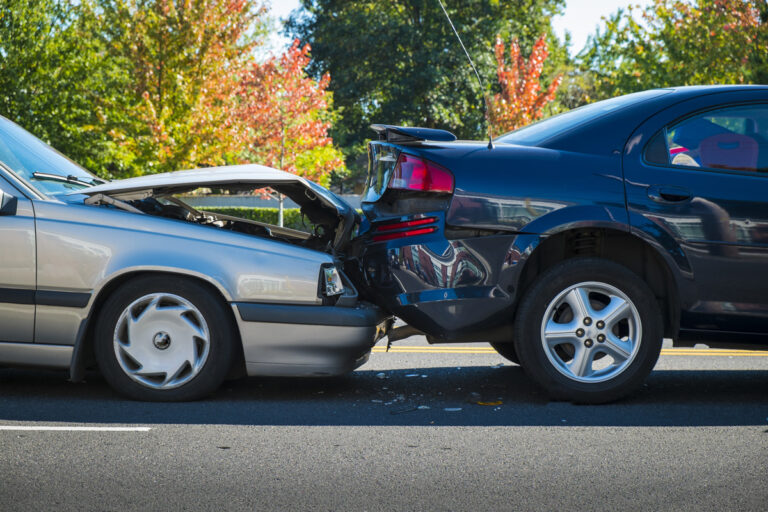
After a serious collision, one of your biggest concerns may be whether your car can be repaired or will be declared a total loss.
When is a car considered totaled in California? Generally, an insurance company may declare a vehicle a total loss when the cost of repairing it becomes economically impractical compared with its value before the accident.
However, visible damage doesn’t always tell the full story. A vehicle that looks severely damaged may still be repairable, while one with relatively minor exterior damage could have expensive structural or electronic issues.
Understanding how insurers evaluate vehicle damage, repair costs, and market value can help you prepare for the claim process and understand your options.
What Does It Mean When a Car Is Totaled?
A total-loss decision means the insurer has determined that settling the claim based on the vehicle’s value makes more economic sense than paying for the complete repair.
The term describes the economics of the claim. A vehicle may still be physically repairable while the estimated cost approaches its pre-loss value. A qualified collision center may have the equipment and procedures to perform the work, even when the insurer chooses the total-loss path.
This is why visible damage alone rarely answers the question. A damaged bumper may involve a reinforcement bar, cooling parts, parking sensors, radar equipment, and surrounding brackets. A side impact may involve a door, pillar, seat-belt components, wiring, airbags, and refinishing across several panels.
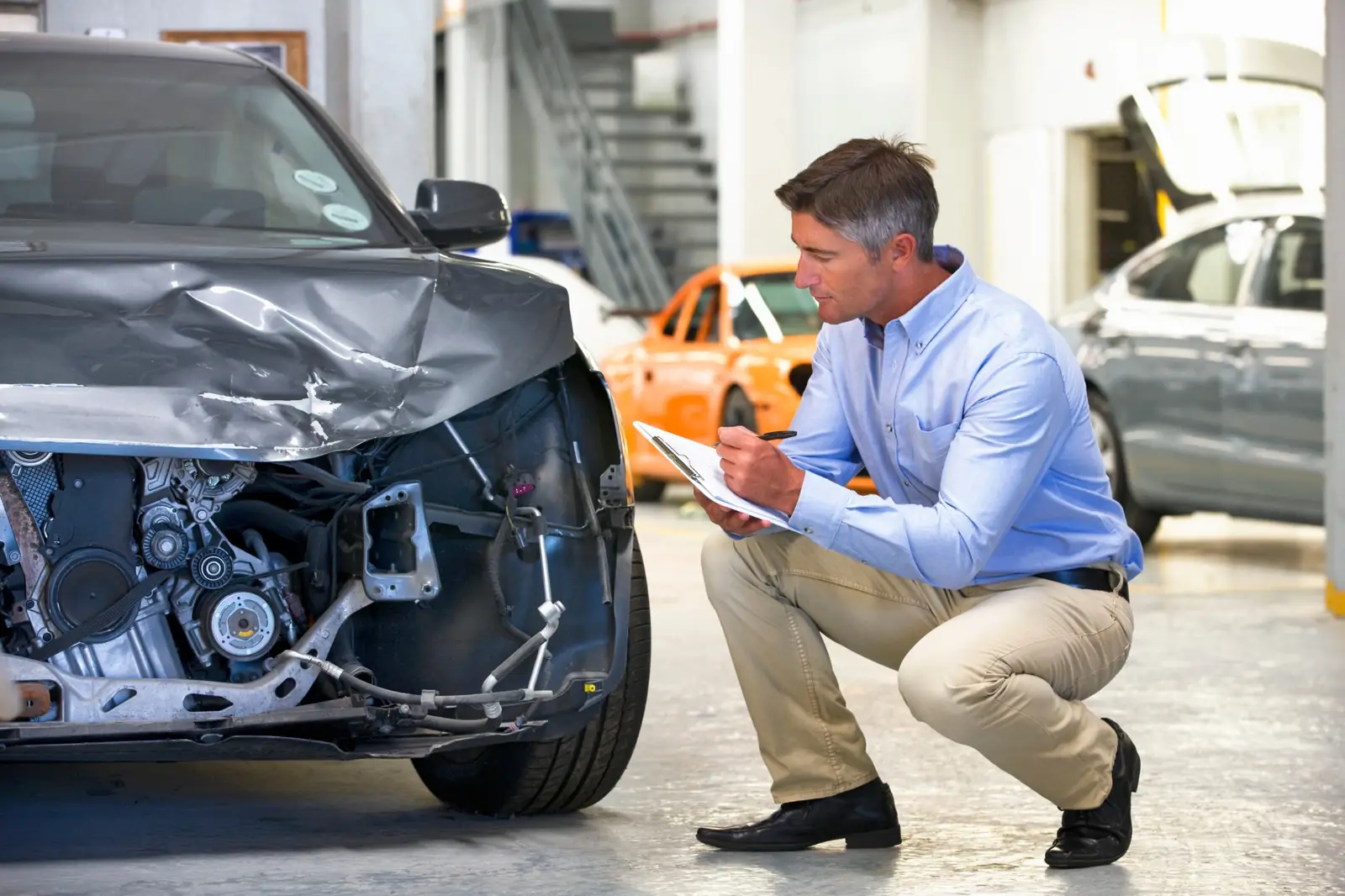
A detailed collision repair assessment helps show what the vehicle would need before the insurer compares the repair cost with its value.
When Is a Car Considered Totaled Under California Vehicle Code §544?
California Vehicle Code §544 defines a total-loss salvage vehicle around whether repairing it would be economical.
The owner, leasing company, financial institution, or responsible insurer may consider the repair uneconomical. Section 544 also addresses vehicles that receive a total-loss payment and later undergo repair.
The statute uses an economic standard instead of a fixed statewide percentage. Insurers may use their own repair-to-value guidelines when reviewing a claim. Those guidelines can vary by company, policy, vehicle, and claim circumstances.
For example, assume a vehicle had a pre-loss value of $20,000. The initial estimate may total $11,500 based on the visible damage. After disassembly, the shop may find another $4,000 in structural work, electronic parts, and calibration procedures. The updated estimate gives the insurer a more complete figure for its review.
The same repair cost can lead to a different result on another vehicle. A $15,500 repair represents a large share of a $20,000 vehicle’s value. On a vehicle worth $45,000, that repair may remain economically practical.
How Does the Insurer Determine the Vehicle’s Value?
The insurer generally starts with the vehicle’s actual cash value, often called ACV. This usually means the fair market value immediately before the collision, subject to the policy’s terms.
The valuation may consider:
- Year, make, model, and trim
- Mileage
- Factory options and equipment
- Pre-loss condition
- Local or regional vehicle listings
- Prior damage
- Covered upgrades or accessories
Small differences can change the valuation. Two vehicles with the same model name may have different engines, trim levels, safety packages, mileage, or equipment.
Review the valuation report carefully. Confirm the vehicle identification number, trim, drivetrain, mileage, factory options, and condition ratings. You can compare the listed vehicles with similar cars currently offered in your area.
Service records, photographs, the original window sticker, and receipts for covered equipment can help document your vehicle’s condition and configuration. Recent maintenance may support the condition rating, although routine service usually preserves value rather than adding the full service cost to the settlement.
If the vehicle is financed or leased, the lender or leasing company may take part in the settlement. Ask for a current payoff amount so you can compare it with the proposed payment. GAP coverage may help with an eligible difference between the insurance settlement and the loan balance, depending on the contract.
How Does the Repair Estimate Affect the Decision?
The repair estimate gives the insurer a structured list of the work needed to return the vehicle to its pre-collision condition. It may include parts, labor, materials, structural measurements, refinishing, scans, calibrations, and quality-control procedures.
Our estimate process begins with the vehicle information and the damage available for inspection. We record the visible condition, identify affected areas, and prepare the starting estimate.
That first estimate reflects the information available at that stage. Exterior panels can cover brackets, reinforcements, wiring, cooling parts, sensors, and structural connections. Greater detail becomes available when damaged components are removed and the repair area is open for inspection.
The estimator may then update the repair plan with:
- Additional damaged parts
- Related labor operations
- Structural measurements
- Manufacturer repair procedures
- One-time-use fasteners or components
- Diagnostic scanning
- ADAS calibration
- Corrosion protection
- Additional refinishing work
An updated estimate is commonly called a supplement. The supplement gives the insurer supporting information for the added work.
Our article on why collision repair estimates change after teardown explains how this closer inspection can change the repair total. A supplement may keep the vehicle on the repair path, or it may move the claim closer to a total-loss review.
Which Types of Damage Can Increase the Repair Cost?
Every collision creates a different repair plan. Several types of damage can add parts, labor, specialized procedures, or outside services to the estimate.
Structural Damage
Modern passenger vehicles commonly use unibody construction. The body and underlying structure work together, so an impact can affect rails, pillars, aprons, floors, rocker panels, and reinforcements.
Technicians may use computerized measuring equipment to compare structural reference points with the manufacturer’s specifications. The repair plan can then identify straightening, sectioning, or component replacement procedures that apply to the vehicle.
Structural damage can be repairable when the manufacturer provides an approved procedure and the vehicle responds to the required measurements and repair methods. Our frame straightening service supports this work when it belongs in the repair plan.
The cost depends on the location and extent of the damage, materials used in the vehicle, access to the repair area, joining methods, replacement parts, and related refinishing.
Airbags and Restraint Systems
An airbag deployment may involve several connected components.
The estimate can include airbags, seat-belt pretensioners, impact sensors, wiring, control modules, seats, trim pieces, a steering wheel, or sections of the dashboard. Diagnostic work may also be required before and after installation.
Airbag deployment becomes one part of the insurer’s review. The full cost of the restraint-system work joins the larger comparison between repair cost and vehicle value.
Cameras, Radar, and Other Electronics
Many late-model vehicles use cameras, radar units, parking sensors, and electronic modules in areas commonly affected by a collision.
A front bumper repair may involve radar equipment. A windshield replacement may involve a forward-facing camera. Suspension or structural work may affect the position of sensors used for lane assistance, emergency braking, blind-spot monitoring, or adaptive cruise control.
The manufacturer’s procedures may require scanning, aiming, initialization, programming, or calibration. These steps add to the estimate and help the repaired systems operate as designed.
Parts and Refinishing
Parts availability and pricing can affect the total repair cost. Some vehicles use aluminum panels, high-strength steel, specialized lamps, model-specific trim, or electronic components with higher replacement costs.
We request OEM auto parts as part of our repair planning. The estimate may also include clips, fasteners, adhesives, corrosion-protection materials, seam sealer, and related components required by the repair procedure.
Refinishing may extend beyond one visible panel. Color matching, blending, surface preparation, and restoring protective coatings can add labor and materials while supporting a consistent finish.
What Happens After a Total-Loss Decision?
The insurer generally provides a valuation report and settlement offer. The report should identify the vehicle details, comparable vehicles, condition adjustments, and the figures used to calculate the offer.
Review the report before accepting the settlement. Check:
- Vehicle details: Confirm the year, make, model, trim, drivetrain, mileage, and factory options.
- Comparable vehicles: Look for similar trim levels, equipment, mileage, condition, and market area.
- Condition ratings: Compare the insurer’s ratings with the vehicle’s documented pre-loss condition.
- Adjustments: Ask how mileage, options, condition, or location changed the comparable values.
- Taxes and fees: Review the applicable sales tax, license fees, and transfer-related amounts included in the calculation.
- Loan or lease balance: Compare the settlement with the lender’s current payoff figure.
- Salvage value: If you are considering keeping the vehicle, review the amount assigned to the damaged vehicle.
Your deductible may apply when the claim proceeds through your own collision or comprehensive coverage. The settlement check may include the lienholder when a loan remains active.
If a detail in the valuation differs from your vehicle, send the adjuster specific supporting information. A clear correction is easier to review than a general concern about the offer.
For example, you might explain that your vehicle has a higher trim level, a factory safety package, or substantially different mileage from the listed comparables. Registration records, the window sticker, photographs, service records, and local listings may support the review.
Can You Keep and Repair a Vehicle After a Total Loss?
An owner may have the option to retain a total-loss salvage vehicle. The insurer generally subtracts the vehicle’s salvage value from the settlement, and salvage title requirements then apply.
Vehicle Code §544 covers vehicles that receive a total-loss payment and later undergo repair. The total-loss history and salvage branding remain after a future repair.
When an owner retains the vehicle, the insurer reports the retention to the DMV. The owner generally applies for a salvage certificate within 10 days of the settlement.
A rebuilt vehicle must complete the applicable title, registration, verification, safety inspection, emissions, and fee requirements before returning to road use. The title and registration continue to show the salvage history.
Consider the full picture before choosing owner retention:
- Settlement after the salvage deduction
- Projected repair cost
- Parts availability
- Inspection and registration requirements
- Insurance options
- Financing or lease terms
- Future resale value
- How long you plan to keep the vehicle
Speak with your insurer and lender before making the decision. A qualified repair facility can help you understand the projected repair work, while the insurer and DMV handle the claim and title requirements.
What Should You Ask While the Claim Is Being Reviewed?
Clear questions can help you follow the decision and gather the information you need.
- What is my vehicle’s actual cash value, and how was it determined?
- What is the current estimated repair cost, including any supplemental damage?
- What factors caused the insurer to consider the vehicle a total loss?
- What taxes, fees, or deductions affect my settlement?
- Can I keep the vehicle, and what would that mean for my settlement and title?
Keep the estimate, supplements, valuation report, photographs, service records, loan information, and claim correspondence together. These documents give you a clear record of how the decision developed.
Get a Clear Collision Damage Assessment
A total-loss decision depends on accurate information about the vehicle’s value and the work required to repair it. A thorough inspection can show whether the vehicle remains a practical repair candidate and provide useful documentation for the claim.
At Network Auto Body, we inspect collision damage, prepare detailed estimates, document additional repairs as they appear, and communicate with insurers about the repair plan. We can explain the work included in our estimate while you review the claim decision and valuation.
If the vehicle remains repairable, our certified teams can complete the approved work using the applicable manufacturer procedures. If the insurer moves the claim toward a total loss, you will have a clearer record of the repair requirements that contributed to the decision.
We have served Southern California since 1985 and operate auto body shop locations in Downtown Los Angeles, North Hollywood, Van Nuys, Valencia, and Oxnard. If your vehicle has been damaged in a collision, contact us to schedule an estimate and learn more about the damage assessment and repair procedures relevant to your vehicle.