
Between intense UV rays, bumper-to-bumper traffic, beachside moisture, and the occasional runaway shopping cart in a parking garage, your vehicle’s paint is constantly vulnerable to scratches, fading, and damage, so the right collision repair services in Los Angeles matters long before you notice visible peeling or mismatched panels. So when it’s time for a repaint or collision repair, choosing the right type of automotive paint becomes a big part of protecting your car’s value and appearance.
Over the last decade, automotive coatings have evolved dramatically, moving away from heavy solvent-based paints toward cleaner, safer, and more high-performance options. Two of the most talked-about options today are Low-VOC (Volatile Organic Compounds) solvent-based paints and water-borne automotive paints, and if you want the side-by-side breakdown, start with water-borne paint vs low-VOC paint for your car.
Water-borne paint is the new industry standard, and it’s the only system we use in our shop, because it consistently delivers better results for our climate, our customers, and the environment through environmentally friendly painting practices.
What Are VOCs and Why Do They Matter in California?
“VOC” stands for Volatile Organic Compounds, which are chemical solvents released into the air as paint dries. In older, traditional paints, VOC levels were extremely high. These solvent vapors contribute to smog, respiratory irritation, environmental toxins, and air-quality issues.
LA’s air quality standards are some of the toughest in the country. Shops can face fines or penalties for using high-VOC products. That’s why you’ll see more shops transitioning to alternative paint systems. But not all systems are equally advanced or environmentally friendly.
What Is Low-VOC Automotive Paint?
Low-VOC paints are newer formulations of traditional solvent-based coatings, designed to reduce the amount of volatile organic compounds released into the air. They offer an improvement over older high-VOC systems and are widely used in many states. In California, however, where environmental standards are especially strict, Low-VOC paints meet regulatory requirements but are generally viewed as a transitional step toward cleaner, more advanced options like water-borne paint.
Pros of Low-VOC Paint
- Familiar for older-school technicians who grew up on solvent paint
- Good adhesion and durability
- Smooth application when used by experienced painters
Cons of Low-VOC Paint
- Still releases solvent fumes into the air
- Longer curing times
- Less consistent color matching on today’s complex factory finishes
- More environmental restrictions
- Not the most future-proof choice
Low-VOC systems are basically a “reduced smog” version of traditional paint. They’re better than the old stuff, but not the best option available.
What Is Water-Borne Automotive Paint?
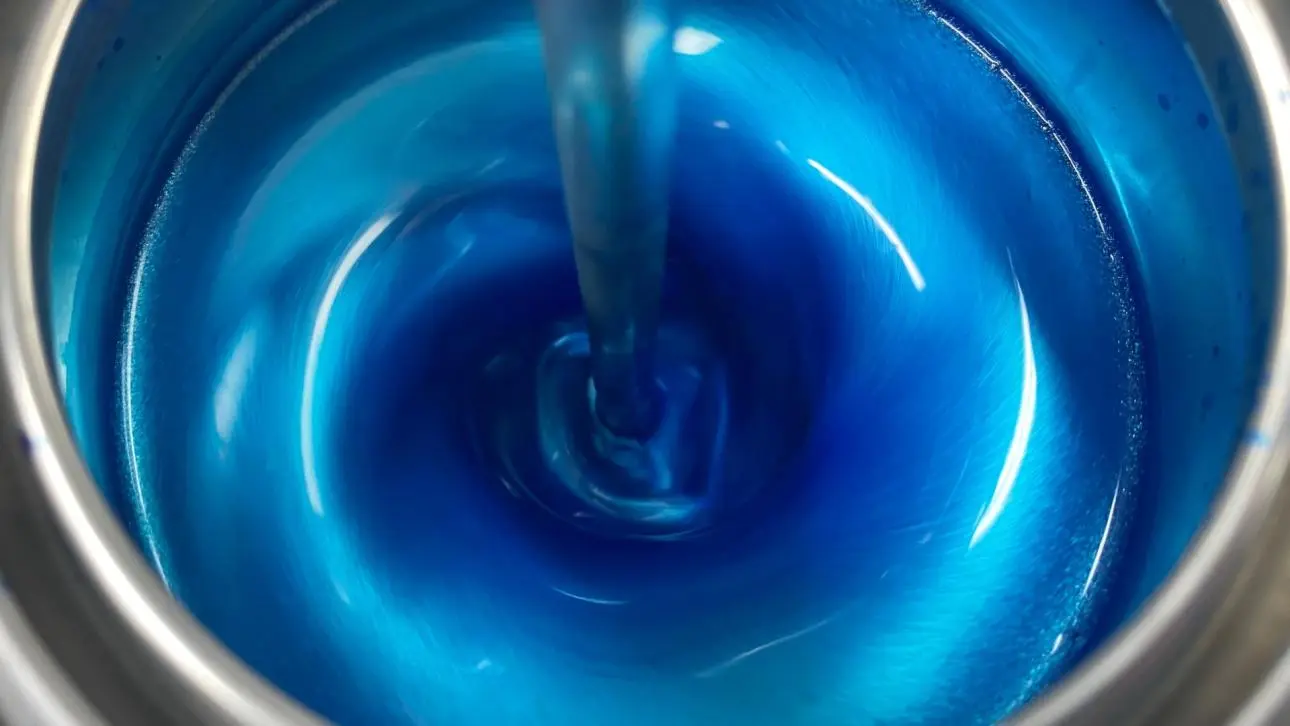
Water-borne paints use water as the primary carrier, rather than traditional solvents. That simple change makes a big difference. These modern paints dramatically reduce VOC emissions by as much as 80–90% compared to solvent systems.
But even more importantly for car owners in Los Angeles: Water-borne paints deliver a better finish.
Why Water-Borne Paint Performs Better
Modern cars come in complex colors: multiple layers, metallic flakes, pearls, tri-coats, translucent layers. Water-borne technology lays down these pigments more evenly and accurately.
This is why nearly all major car manufacturers (OEMs) use water-borne paint on new vehicles today. When your car gets repaired, the best way to match the original factory coat is to use the same type of system.
Pros of Water-Borne Paint
- Ultra-low VOCs (very eco-friendly)
- More accurate color matching for modern vehicles
- Faster drying times with proper airflow
- OEM-preferred and used by most manufacturers
- Better metallic flake orientation—a critical factor in matching factory finishes
- Smoother blends for spot repairs
- Safer for technicians and the environment
Cons of Water-Borne Paint
- Requires upgraded equipment and training
- Shops with outdated booths may struggle with humidity or airflow
- Higher upfront cost for the shop
These “cons” affect only the repair facility, not the vehicle owner. As long as you choose a shop equipped for water-borne systems, like Network Auto Body, you’ll get cleaner, safer, and higher-quality results.
Low-VOC vs. Water-Borne: Side-by-Side Comparison
1. Finish Quality
Winner: Water-Borne
Water-borne paints are known for their exceptional color accuracy, and that edge becomes obvious when you need auto body color matching service in Los Angeles on modern metallics, pearls, and tri-coats. Because water evaporates more evenly than solvents, metallic and pearl pigments align more consistently, which is essential for matching today’s OEM finishes.
2. Durability
Winner: Tie
Both low-VOC and water-borne basecoats are typically protected by similar clearcoats. When properly applied, both systems hold up extremely well. The difference is in appearance, not longevity.
3. Drying Time
Winner: Water-Borne (when equipped with proper airflow)
Water evaporates faster than solvents, especially in controlled environments. With the right equipment, water-borne basecoats dry quickly, often faster than low-VOC solvents.
4. Environmental Impact
Winner: Water-Borne
Water-borne paint produces far fewer emissions and helps LA stay within air-quality regulations. It’s the most eco-friendly choice by a long shot.
5. Color Match Accuracy
Winner: Water-Borne
In fact, most high-end and OEM-certified shops use water-borne for this exact reason, and checking a shop’s certifications is one of the fastest ways to verify they follow manufacturer-grade paint standards.
Why Water-Borne Is the Best Choice for Los Angeles Drivers
LA has unique climate challenges: heat, sun, coastal moisture, heavy traffic, and pollution. These conditions make durable, accurate, high-performance paint systems critical.
Here’s why water-borne paint shines in our city:
Better for Coastal and Sunny Environments
The pigments in water-borne coats tend to stay richer and more stable over time, especially under California’s intense UV rays.
Better for Metallic and Pearl Paints
LA drivers love their luxury and custom cars. Water-borne systems handle difficult, multi-layer colors with ease, delivering cleaner blends and seamless transitions.
Better for Smog and Air Quality Standards
Choosing a shop that uses water-borne exclusively means you’re supporting cleaner air and environmentally responsible practices.
Better for Resale Value
A flawless color match and factory-grade finish help maintain your car’s market value.
Why Our Shop Uses Water-Borne Paint Only
While many body shops in Los Angeles still rely on low-VOC solvent paints to save money or avoid upgrading their equipment, we made the decision years ago to use water-borne paint exclusively. Here are the top reasons why:
1. Superior Color Matching
With water-borne, we can match modern OEM finishes with incredible precision.
2. Cleaner, Safer, Eco-Friendly Repairs
Our paints are compliant with California’s strictest standards, and they reduce emissions dramatically.
3. Faster, More Efficient Repairs
With the right drying equipment, water-borne systems allow us to move cars through the shop quickly without sacrificing quality.
4. Higher-End Results for Every Vehicle
Whether you drive a Honda or a Mercedes, water-borne paint gives every repair a smooth, factory-fresh finish.
Our commitment to water-borne technology is part of our commitment to quality, safety, and sustainability.
How to Choose the Right Body Shop in Los Angeles
If you’re comparing repair estimates, it helps to start with an online estimate so you can compare apples to apples, then use these questions to confirm the shop’s paint system, training, and drying setup.
1. What paint system do you use?
If the shop says “low-VOC solvent” or “traditional basecoat,” proceed with caution. Modern repairs should use water-borne.
2. Do you provide a lifetime warranty on your paintwork?
Confidence in paint materials shows in the guarantee.
3. Are your technicians trained in water-borne application?
Water-borne requires proper training for best results.
4. Do you have updated drying and airflow equipment?
This ensures consistent drying and flawless finishes.
5. Are you OEM-certified?
Manufacturers choose water-borne for a reason. Shops certified by brands like Tesla, Mercedes, BMW, or Honda follow strict standards, usually including water-borne paint systems.
Frequently Asked Questions
Is water-borne paint more expensive?
The materials cost a bit more for the shop, but for the customer, pricing is usually the same. And the results are better.
Does water-borne paint last as long as low-VOC solvent paint?
Yes. Durability is almost identical, because both systems use the same clearcoat technology.
Can older cars be repainted with water-borne paint?
Absolutely. Water-borne paint works on both modern and classic vehicles.
Do insurance companies prefer one type of paint?
Most insurers approve water-borne repairs, especially since it aligns with OEM standards and California regulations.
Will water-borne paint match my factory color?
In most cases, *better* than solvents can. That’s why we use it.
Contact Us for Your Car’s Waterborne Paint Job
When it comes to automotive paint in Los Angeles, the difference between Low-VOC and Water-borne is clear. Low-VOC is the “less harmful” version of older solvent paints, but water-borne is the system designed for today’s cars, today’s colors, and today’s environmental standards.
That’s why we use water-borne paint exclusively in our shop. It gives our customers the best finish, the most accurate color match, and the most environmentally responsible repair.