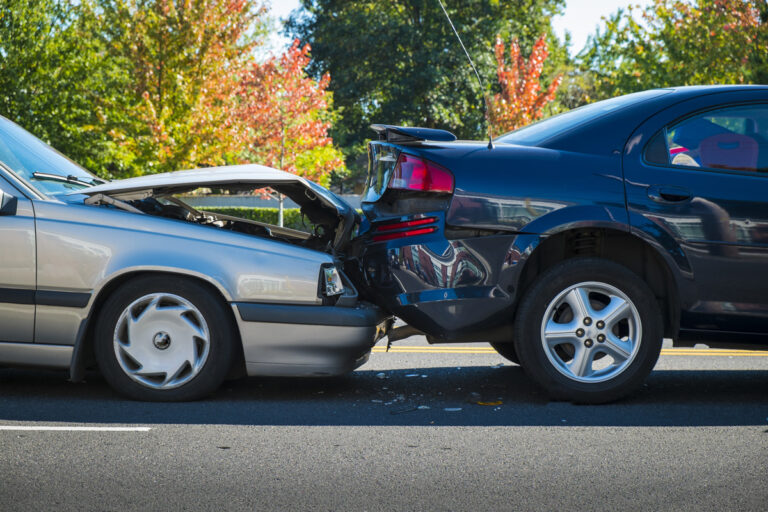
Quick Summary: If airbags deploy in an accident, arrange towing and have the vehicle professionally inspected before driving again. Deployed airbags require replacement, and other safety components may need attention. Deployment does not automatically mean your car is totaled. The overall damage, repair costs, and vehicle value help determine what happens next.
When your airbags deploy in an accident, you may wonder what happens next. Is it okay to drive? Will your insurance company declare it a total loss?
Airbag deployment does not tell you the full extent of the damage. A professional inspection helps identify the necessary repairs, while your insurer evaluates whether the vehicle will be repaired or declared a total loss.
At Network Auto Body, our collision repair services in Los Angeles help drivers understand their vehicle’s damage and the repair process ahead.
What Should You Do Immediately After Airbags Deploy?
Start with your safety and the safety of your passengers. Check for injuries, call 911 if anyone needs emergency assistance, and follow emergency responders’ instructions. If you can safely leave the vehicle, move away from traffic.
Once immediate safety concerns have been addressed:
- Document the accident. Take photos of the vehicles, deployed airbags, and surrounding scene when it is safe.
- Exchange information. Collect the other driver’s contact and insurance details.
- Arrange towing. Have the vehicle transported to a collision repair facility.
- Notify your insurer. Report the accident and keep your claim number available.
Avoid handling damaged airbag components or attempting to remove them yourself. Let qualified technicians assess the system.
Can You Drive a Car After the Airbags Deploy?
Have the vehicle towed instead of continuing to drive. A car that starts and moves may still have damage affecting its steering, suspension, brakes, or other systems.
A deployed airbag also cannot provide protection in another collision. The National Highway Traffic Safety Administration (NHTSA) recommends replacing deployed airbags before driving the vehicle again.
Visible damage alone cannot tell you whether the vehicle is roadworthy. Even if the exterior damage looks limited, a professional inspection is necessary to understand the full repair needs.
Does Airbag Deployment Mean Your Car Is Totaled?
No. Airbag deployment does not automatically mean your car is a total loss. The insurer evaluates the vehicle’s overall damage and repair costs in relation to its pre-accident value.
For example, replacing several airbags and repairing collision damage may make repairs uneconomical for an older vehicle with a lower market value. A newer vehicle with a higher value may be approved for repairs after a similar deployment.
The decision also involves the extent of the damage and whether the vehicle can be properly repaired. A vehicle may be technically repairable while still being considered an economic total loss by the insurer.
Wait for the damage assessment and claim review before assuming that deployed airbags mean you need a replacement vehicle.
What Needs to Be Repaired or Replaced After Airbags Deploy?
The repair plan depends on your vehicle and the circumstances of the crash. Replacing the visible airbag is only part of evaluating the restraint system and surrounding damage.
Deployed Airbags
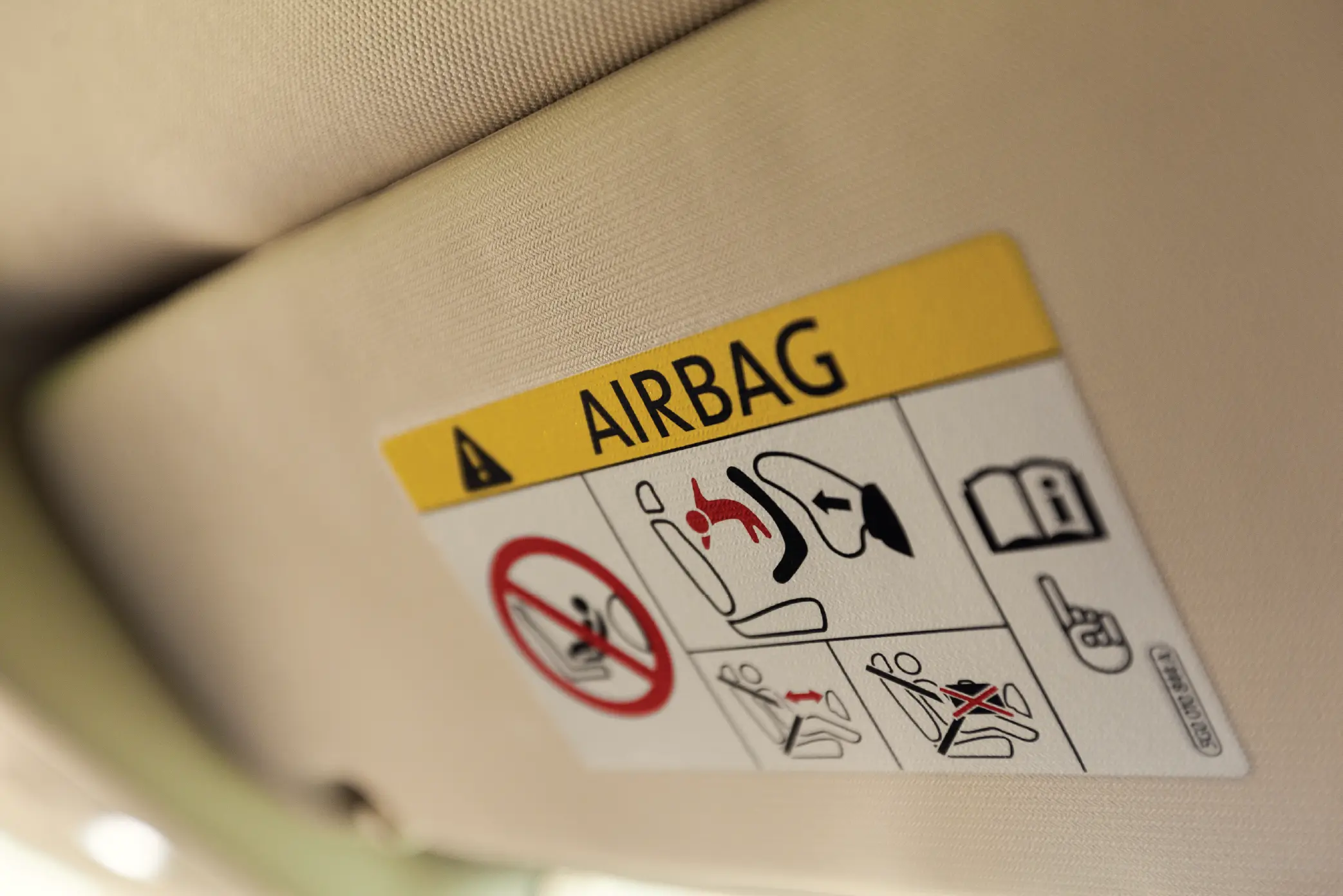
Airbags are single-use safety devices. Once deployed, they require replacement. They cannot be folded back into place and reused, and resetting the airbag warning light does not restore their protection.
Depending on the crash, deployment may involve the steering wheel airbag, passenger dashboard airbag, side airbags, curtain airbags, or other airbags fitted to the vehicle.
The replacement parts also matter. NHTSA warns that substandard replacement airbag inflators can cause serious injuries or death. Replacement airbags should meet the vehicle manufacturer’s specifications and come from a reliable source.
Seat Belts and Related Safety Components
Airbags work with seat belts as part of the vehicle’s supplemental restraint system, commonly called the SRS.
After a deployment, technicians follow the manufacturer’s requirements to determine which components need inspection or replacement. These may include:
- Seat belts and pretensioners, which tighten belts during certain crashes.
- Crash sensors.
- Airbag control modules.
- Related wiring and connectors.
- Occupant detection components.
The required work depends on your vehicle’s make, model, and year, as well as which airbags or pretensioners deployed and the extent of the collision damage.
Interior and Other Collision Damage
Deployment can damage the dashboard, steering wheel coverings, seat upholstery, headliner, or interior trim.
Technicians also need to assess the collision damage itself. Structural damage, damaged suspension components, and electrical problems may require attention even when they are less obvious than a deployed airbag.
What Does the Repair Process Involve?
A thorough assessment helps establish what your vehicle needs before repairs move forward.
1. Initial Inspection and Diagnostics
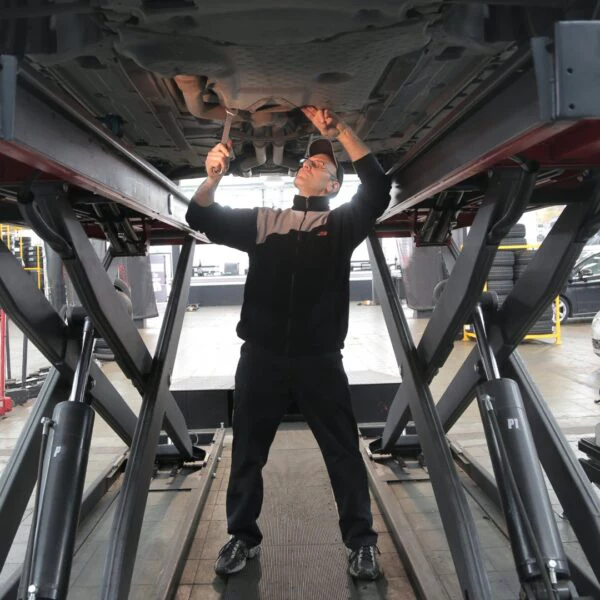
The repair facility documents visible damage and performs diagnostic checks as required for the vehicle. Technicians evaluate affected areas and identify where further inspection is needed.
2. Further Damage Assessment
Some damage becomes visible only after damaged parts are removed. For example, removing exterior panels or interior trim may reveal additional components that need repair or replacement.
This is why an initial estimate can change. If additional damage is discovered, the shop documents the findings and explains the necessary adjustments.
3. Repair Planning and Parts Ordering
The shop develops a repair plan using the procedures applicable to your vehicle. The plan identifies replacement parts, repair operations, and required inspections. Depending on the damage and repair procedures, certain sensors or driver-assistance systems may also need calibration to operate correctly.
You can learn more about how damage is documented through Network Auto Body’s estimate process.
4. Repairs and Final Verification
Technicians complete the approved repairs and required safety-system work. Before delivery, the shop performs the applicable diagnostic scans, inspections, and functional checks.
Get a Collision Damage Assessment at Network Auto Body
If your airbags deployed, a professional damage assessment can help you understand the required repairs and your next steps.
Network Auto Body provides collision repair services for drivers throughout the Los Angeles area. Our team can inspect your vehicle, document the damage, and explain the recommended repairs.
Contact Network Auto Body to arrange a collision damage assessment and get help coordinating towing to our shop.