Quick Summary: Yes, a minor front-end collision can damage your radiator, AC condenser, or nearby components, even when the bumper looks only slightly damaged. Warning signs include coolant leaks, rising engine temperature, and AC that no longer cools properly. Have the damage inspected, and stop driving if the engine overheats or coolant is leaking.
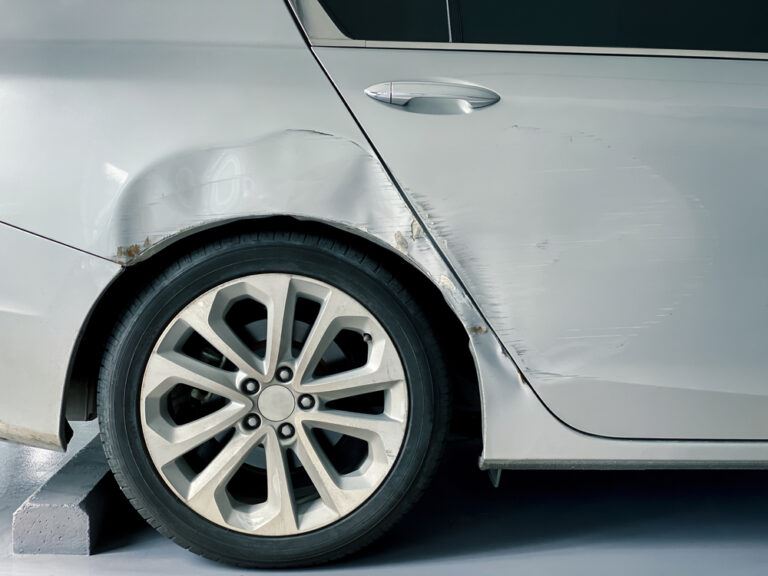
After a minor front-end collision, a scratched bumper or cracked grille may seem like the only damage. But if your AC starts blowing warm air or your engine temperature rises, the impact may have affected components behind the bumper.
Radiator damage after a front-end collision is not always obvious from the outside. The same is true of AC condenser damage, which may become noticeable when you try to cool the cabin.
At Network Auto Body, our collision repair services in Los Angeles include assessing accident damage so you can understand what needs attention beyond the visible dents and scratches.
How Can a Minor Front-End Collision Cause Hidden Damage?
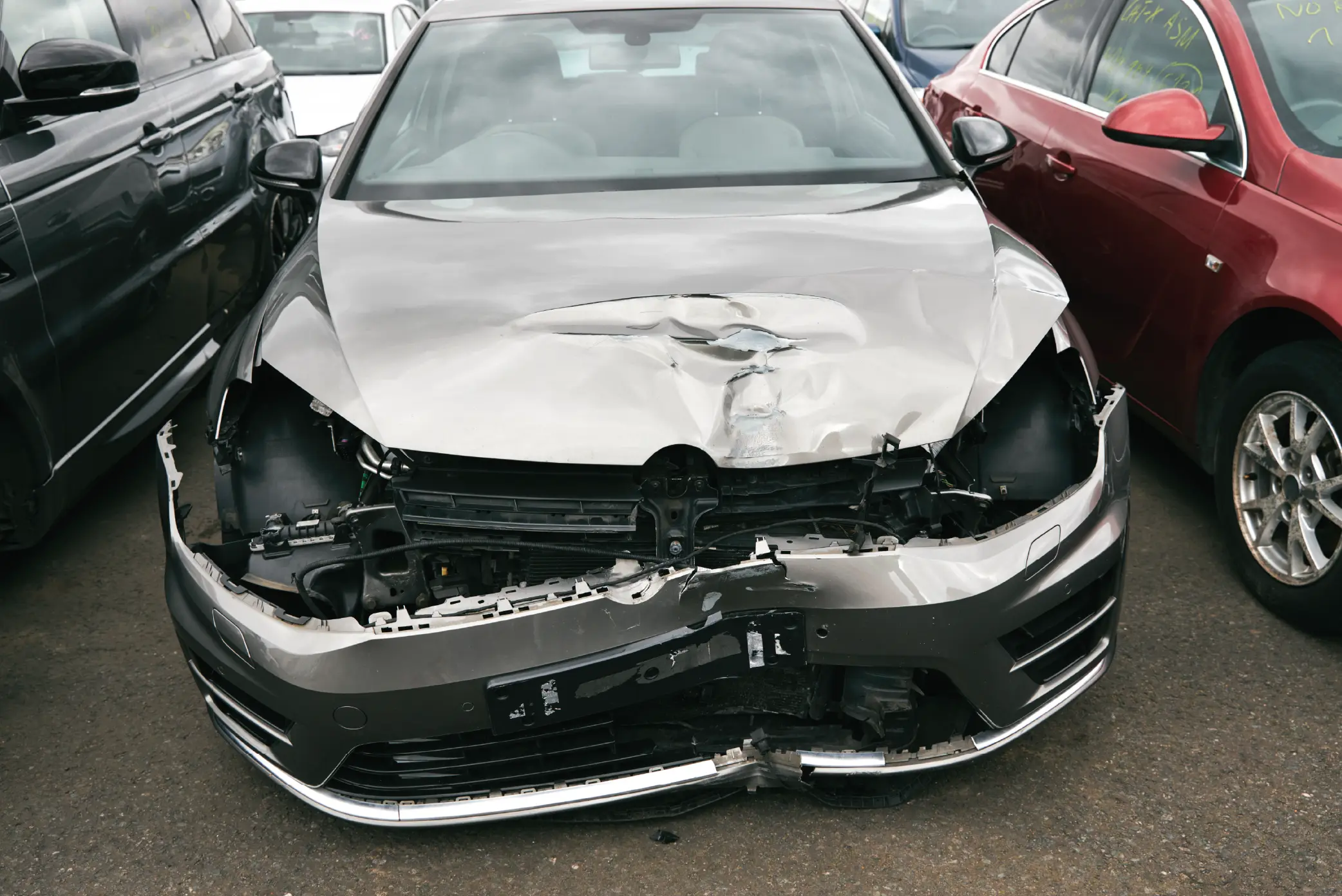
The radiator and AC condenser commonly sit near the front of the vehicle, behind the grille and bumper area. Their location allows air to pass through them, but it can also expose them to front-end collision damage.
An impact can push surrounding parts into these components, damage their mounting points, or affect nearby hoses, refrigerant lines, and cooling fans.
The amount of visible bumper damage does not reliably establish the condition of the parts behind it. Damage depends on your vehicle’s design, where the impact occurred, and how far components moved.
Not every low-speed collision damages the radiator or condenser. However, a relatively small dent or crack in the bumper does not rule out a problem underneath.
What Is the Difference Between a Radiator and an AC Condenser?
These components can look similar, but they serve different purposes.
Radiator: Helps Control Engine Temperature
In a typical gasoline-powered vehicle, coolant absorbs heat from the engine and carries it to the radiator. The radiator transfers that heat to the surrounding air.
A coolant leak or restricted airflow can reduce the system’s ability to control engine temperature. If the engine overheats, continuing to drive can cause additional damage.
AC Condenser: Releases Heat From the Air Conditioning System
The AC condenser releases heat from the refrigerant circulating through the air conditioning system. On many vehicles, it sits in front of the radiator.
A damaged condenser may leak refrigerant or lose cooling performance, leaving the AC unable to cool the cabin effectively.
Engine coolant and AC refrigerant are different substances in separate systems. A radiator leak and a condenser leak require different diagnostic and repair procedures.
What Signs Could Indicate Damage After the Accident?
Pay attention to changes that begin after the collision, even if the vehicle initially seems to operate normally.
Possible Radiator or Engine-Cooling Problems
Signs that warrant inspection include:
- Fluid leaking near the front of the vehicle. Coolant may collect beneath a damaged radiator, hose, or connection.
- A rising temperature gauge or temperature warning. Treat an overheating warning seriously.
- Steam from under the hood. Pull over safely and shut off the engine.
- New rattling or scraping noises. An impact may have affected the cooling fan or surrounding parts.
Coolant comes in several colors, so color alone cannot identify a leak or its source. Clear water beneath a vehicle after AC use may be normal condensation. If you notice an unfamiliar leak after an accident, have it checked rather than assuming it is harmless.
Possible Condenser or AC Problems
You may notice:
- Air from the vents is warmer than before the collision.
- The AC takes longer to cool the cabin.
- Cooling becomes inconsistent.
These symptoms do not prove the condenser is damaged. Other AC components can cause similar problems, and refrigerant leaks may not leave an obvious puddle.
Tell the repair facility when the symptoms started and how the AC performed before the accident. That information helps guide the assessment.
Can You Keep Driving After a Minor Front-End Collision?
A vehicle that starts and moves may still have damage that makes continued driving unsafe.
If the engine temperature rises into the hot range, a temperature warning appears, or you see steam, pull over as soon as it is safe and shut off the engine. Arrange assistance rather than trying to reach your destination.
Do not open the radiator cap or coolant reservoir pressure cap while the cooling system is hot. Pressurized hot coolant can cause serious burns.
A visible coolant leak, a damaged fan, or uncertainty about the vehicle’s condition is a reason to arrange towing. Turning off the AC does not fix cooling-system damage or make an overheating vehicle safe to drive.
Warm air from the vents alone does not establish whether the vehicle is safe to drive. After a collision, consider the overall damage and have the vehicle assessed.
How Does a Collision Repair Shop Check for Radiator or Condenser Damage?
The inspection should address the affected components and the parts around them.
Depending on the vehicle and damage, technicians may:
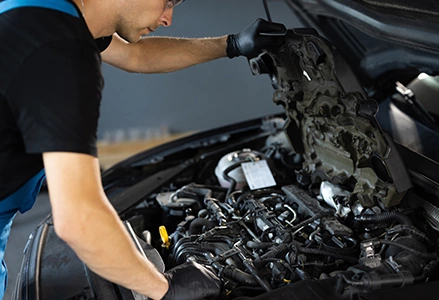
- Inspect the radiator, condenser, supports, and mounting points.
- Check hoses, connections, refrigerant lines, fans, and shrouds.
- Remove damaged panels or other parts to access hidden areas.
- Pressure-test the engine cooling system for leaks.
- Evaluate AC operation and use appropriate refrigerant leak-testing methods.
- Perform diagnostic checks required by the vehicle manufacturer.
Some damage becomes apparent only during disassembly or testing. An initial visual estimate may therefore change once the shop can assess the affected areas more closely.
Network Auto Body’s estimate process explains how our team documents damage and identifies recommended repairs.
Will the Radiator or AC Condenser Need Replacement?
The answer depends on the damage and the manufacturer’s repair requirements.
A few bent exterior fins do not necessarily mean a component is leaking or needs replacement. Damaged tubes, cracked radiator tanks, broken fittings, or significant deformation may require replacement.
Related damage also needs attention. For example, replacing a condenser without addressing a bent mounting bracket could leave the new component improperly positioned.
Adding coolant or recharging the AC does not repair a leak. If fluid or refrigerant escaped because of collision damage, the underlying problem needs to be corrected.
After repairs, the affected systems should be checked for leaks and proper operation according to the applicable procedures.
Get Hidden Front-End Damage Checked at Network Auto Body
A minor-looking accident can leave you with more than cosmetic damage. Changes in engine temperature, new leaks, or reduced AC performance are reasons to have the vehicle inspected.
Network Auto Body helps Los Angeles-area drivers understand collision damage and the repairs their vehicles need. Our team can assess the affected areas, document the findings, and explain the next steps.
Contact Network Auto Body to arrange a front-end collision damage assessment and get help coordinating towing if needed.