If you drive a Tesla in Los Angeles, you already know it’s a carefully engineered electric vehicle packed with advanced safety systems, aluminum body panels, and cutting-edge technology. So when an accident happens, even a minor one, it’s completely normal to feel concerned about how repairs will affect your vehicle’s performance, safety, and long-term value.
Tesla collision repair isn’t the same as traditional body work. In this guide, we’ll walk you through what to expect after an accident, why Tesla repairs require specialized expertise, and how to make the best decisions for your vehicle.
First Things First: What to Do After a Tesla Accident
Before thinking about repairs, focus on safety.
1. Make Sure Everyone Is Safe
Check yourself and your passengers for injuries. If needed, call 911 right away. Even in a minor collision, it’s smart to take a moment to assess the situation calmly.
2. Document the Scene
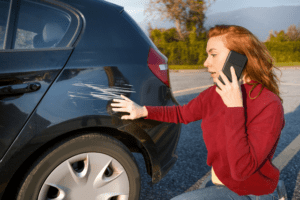
In Los Angeles traffic, accidents happen quickly. Take photos of:
- The damage to your Tesla
- The other vehicle(s) involved
- License plates
- The surrounding area
Also, take note of any warning messages on your Tesla’s screen. If Autopilot or driver-assist features were engaged, that information may be important later.
3. Contact Your Insurance Company
Report the accident as soon as possible. Tesla repairs often require supplements after teardown (we’ll explain that shortly), so providing thorough documentation helps the process move smoothly.
Why Tesla Collision Repair Is Different
One of the biggest misconceptions is that any body shop can repair a Tesla. While many shops may be able to fix cosmetic damage, Tesla vehicles require a higher level of technical knowledge and equipment.
Aluminum-Intensive Body Structure
Many Tesla models use aluminum extensively in their construction. Aluminum behaves differently than steel. It requires:
- Separate repair areas to prevent cross-contamination
- Specialized tools
- Specific welding and bonding techniques
Improper aluminum repair can weaken structural integrity. That’s why it’s essential to work with technicians trained in aluminum body repair.
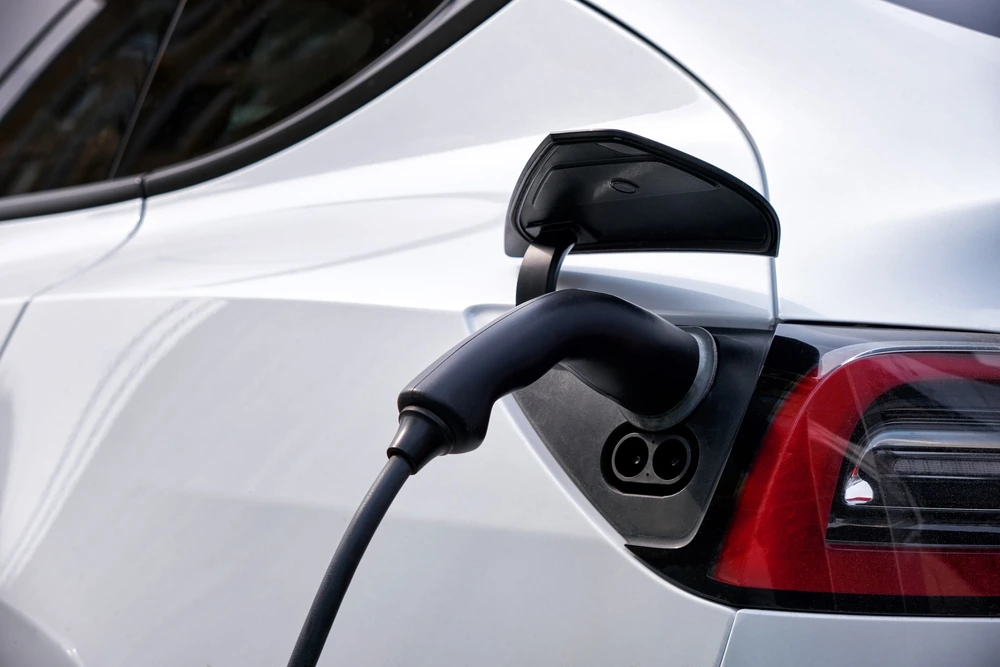
High-Voltage Battery Systems
Every Tesla contains a high-voltage battery system. After a collision, technicians must:
- Inspect for battery damage
- Follow strict battery isolation procedures
- Ensure no hidden thermal risks exist
Battery systems are incredibly safe when properly handled. But inspection must be performed by trained EV professionals who understand Tesla safety protocols.
Advanced Driver Assistance Systems (ADAS)
Tesla’s Autopilot and safety features rely on:
- Cameras
- Radar
- Ultrasonic sensors
- Calibration software
Even a minor fender-bender can misalign sensors. After structural or body repairs, recalibration is critical. Without it, features like lane assist or adaptive cruise control may not function accurately.
What Happens During Tesla Collision Repair?
If you’ve never been through Tesla collision repair before, here’s what the process typically looks like.
Comprehensive Damage Assessment
The first step is a full diagnostic and visual inspection. This may include:
- Pre-repair scanning
- Structural measurements
- Hidden damage detection
Because Tesla vehicles are so technologically integrated, scanning is especially important.
The Teardown Process
After initial approval, technicians disassemble damaged areas to uncover hidden structural or mechanical issues.
This is often when supplements are submitted to insurance. The original estimate may change once hidden damage is revealed. This is completely normal and part of ensuring repairs are done properly.
Structural and Frame Repair
If structural components are affected, precision is everything.
Using computerized measuring systems, technicians restore the vehicle to factory specifications. Tesla engineering is exact. Even slight deviations can impact performance and safety.
OEM Parts Replacement
Tesla repairs should prioritize OEM (Original Equipment Manufacturer) parts whenever possible. OEM parts are designed to:
- Match factory fit and finish
- Maintain safety ratings
- Preserve resale value
Paint and Refinishing
Tesla paint systems require advanced color matching and proper refinishing techniques.
Modern body shops use:
- Waterborne or low-VOC paint systems
- Computerized color matching
- Multi-stage clear coat application
Proper refinishing ensures your vehicle’s appearance is restored seamlessly, without noticeable differences between repaired panels and original paint.
Final Quality Control & Calibration
Before your Tesla is returned:
- A post-repair diagnostic scan is performed
- ADAS systems are recalibrated
- Safety systems are verified
- The vehicle is road-tested
This final step ensures everything functions as intended.
Common Questions Tesla Owners Have After a Collision
Is My Tesla Safe to Drive?
That depends on the extent of damage. Even if the vehicle feels drivable, underlying structural or sensor damage could exist. A professional inspection is always recommended.
Will the Battery Be Affected?
In most minor collisions, the battery remains unaffected. However, inspection is crucial. Tesla vehicles are designed with protective battery shielding, but verification ensures peace of mind.
Why Does Tesla Repair Cost More?
Tesla repairs may cost more due to:
- Aluminum construction
- Specialized labor
- Advanced electronics
- OEM parts requirements
- Sensor recalibration
How Long Do Tesla Repairs Take?
Repair time depends on:
- Severity of damage
- Parts availability
- Insurance approvals
- Calibration requirements
Minor repairs may take days, while structural repairs may take longer.
Tesla Repairs and Insurance in Los Angeles
California law allows you to choose your repair facility. Even if your insurance company suggests a specific shop, the final decision is yours.
Tesla repairs often involve supplements because hidden damage is common in aluminum and sensor-equipped vehicles. A qualified shop will communicate directly with your insurance company to streamline approvals.
Many reputable Tesla collision repair centers, like Network Auto Body, also assist with:
- Rental car coordination
- Insurance paperwork
- Direct insurer communication
This helps reduce stress during an already difficult time.
How to Choose the Right Tesla Collision Repair Shop
When evaluating options, look for:
- Experience with Tesla models
- Aluminum repair capability
- EV safety training
- OEM parts usage
- ADAS calibration equipment
- Positive reviews from Tesla owners
Ask questions. A quality shop will gladly explain their process and qualifications.
Model-Specific Considerations
Different Tesla models have unique repair considerations.
Tesla Model 3 & Model Y
These are common on Los Angeles roads. Aluminum and mixed-metal construction require careful structural repair.
Tesla Model S
Higher-end materials and technology integration demand precise refinishing and calibration.
Tesla Model X
The Falcon Wing doors add mechanical and alignment complexity that requires specialized attention.
Protecting Your Tesla’s Long-Term Value
Proper collision repair affects more than appearance. It impacts:
- Safety
- Autopilot performance
- Structural integrity
- Resale value
- Warranty considerations
Choosing the right repair facility ensures your Tesla continues to perform the way it was designed.
Contact Network Auto Body for Tesla Collision Repair
If your Tesla has been in a collision, even a minor one, scheduling a professional inspection is the smartest next step. The right repair approach restores not only the look of your vehicle but also the precision and performance you expect every time you drive.
Schedule your Tesla collision repair inspection today and let our certified team help you get safely back on the road.